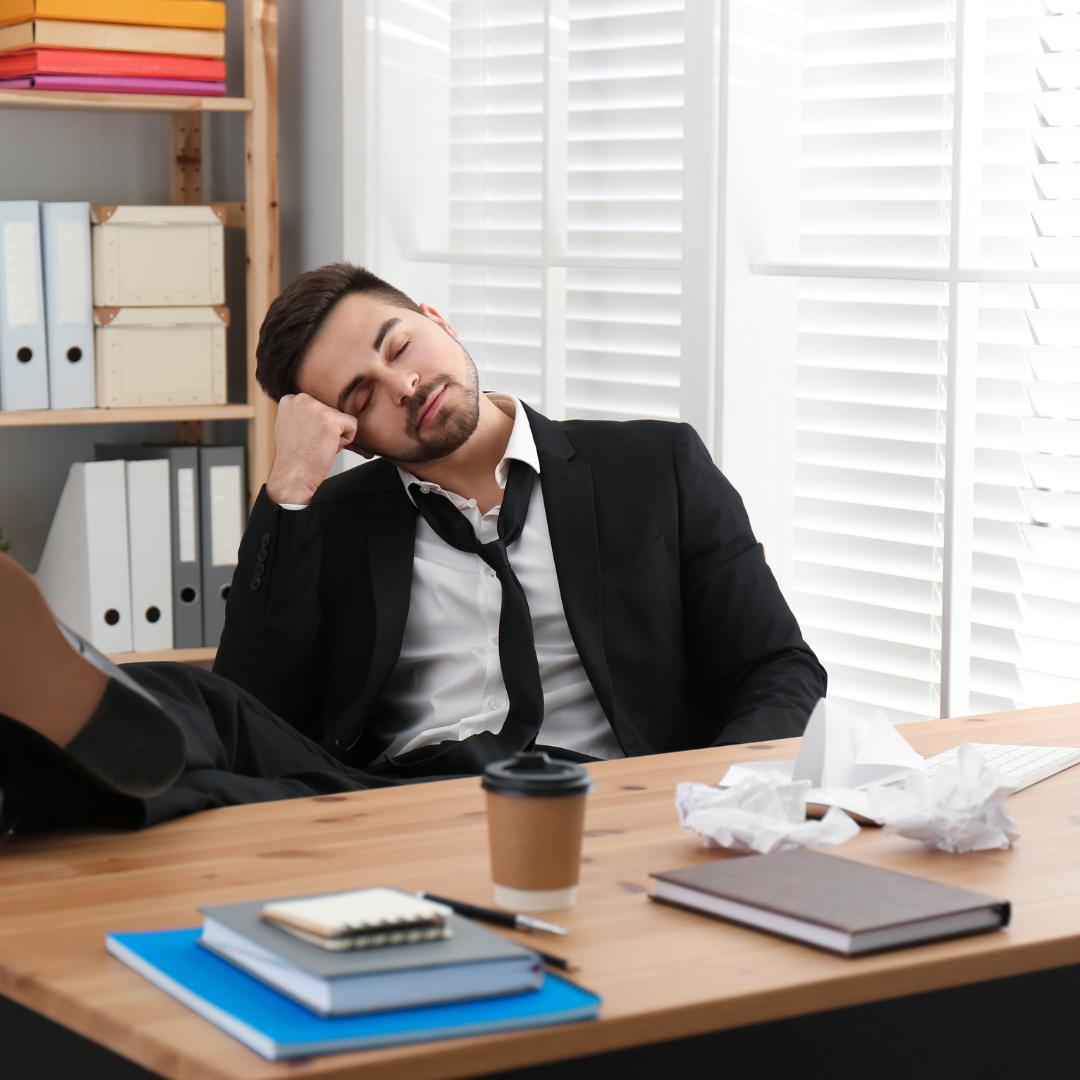
Physical Activity & Sleep: A Key to Employee Wellness
Sleep is one of the most important components of physical and mental well-being. Yet, despite its importance, quality sleep can be difficult to achieve in modern life. Professional responsibilities, long working hours, digital connectivity, stress, sedentary routines, and demanding personal schedules can all make it more difficult to disconnect at the end of the day.
For employees, the relationship between work and sleep can be particularly important. A demanding working day can leave the body physically inactive while keeping the mind highly stimulated. An employee may spend eight or more hours sitting at a desk, attending meetings, answering emails, and managing deadlines, only to finish the day feeling mentally exhausted but physically underactive.
This is where physical activity can play an important role.
Regular exercise is associated with better perceived sleep quality, and current public-health guidance recognizes improved sleep as one of the immediate benefits that can follow physical activity. Research examining exercise interventions has also found improvements in subjective sleep quality among adults.
But why does exercise have this effect? How can moving more during the day contribute to better rest at night? And what does this mean for companies looking to support employee well-being?
Understanding the Relationship Between Exercise and Sleep
Sleep and physical activity are closely connected, but the relationship is more complex than simply saying that exercising makes you tired.
The human body is designed to move during the day and recover during periods of rest. Physical activity can influence several processes involved in sleep, including energy expenditure, mood, stress regulation, and the body's transition between activity and recovery.
When people are physically active during the day, they create a natural contrast between periods of activity and periods of rest. This can contribute to the body's readiness for recovery when bedtime arrives.
Research has consistently explored this relationship, and systematic reviews have found that regular exercise can improve self-reported sleep quality in adults. A 2021 systematic review and meta-analysis of 22 randomized controlled trials found that regular exercise improved subjective sleep quality and reduced measures associated with insomnia and daytime sleepiness.
The evidence is not identical for every person or every type of exercise, but the overall relationship between regular physical activity and better perceived sleep is increasingly supported.
Physical Activity Can Help Regulate Stress
One of the most important reasons exercise may support better sleep is its relationship with stress.
A stressful day does not necessarily end when an employee leaves the office. Work-related thoughts can continue into the evening. Employees may find themselves thinking about unfinished tasks, upcoming meetings, deadlines, or difficult conversations when they should be preparing for sleep.
This can make it difficult to mentally disconnect.
Physical activity can provide a transition between work and recovery. When a person walks, exercises, stretches, practices yoga, or participates in a fitness class, attention shifts away from professional responsibilities and toward movement.
This does not eliminate the source of stress, but it can provide a structured opportunity to step away from it.
The CDC identifies reduced feelings of anxiety as one of the immediate benefits associated with moderate-to-vigorous physical activity, alongside improved sleep quality.
This connection is particularly relevant for employees because stress and sleep can influence each other. When people sleep poorly, managing stress during the following day can become more difficult. When stress remains high, relaxing at night can also become more challenging.
Creating opportunities for physical activity can therefore support one part of this broader cycle.
Exercise Can Help the Body Transition From Activity to Recovery
Modern working environments can keep the brain active for many hours.
An employee may spend the day solving problems, communicating with colleagues, making decisions, analyzing information, and responding to constant notifications. Even after the working day ends, smartphones and laptops can keep people connected.
Physical activity introduces a different type of experience.
Instead of processing emails or business information, the individual focuses on movement, breathing, balance, coordination, and physical sensations.
This change can create a psychological transition between work and personal time.
For example, an employee who finishes work and goes for a 30-minute walk may experience a clearer separation between the working day and the evening. Similarly, an employee participating in an after-work yoga or fitness session may have an opportunity to physically and mentally transition away from professional responsibilities.
This is one reason corporate wellness programs can have value beyond physical fitness. They can create structured opportunities for employees to move from periods of work and concentration toward periods of recovery.
Physical Activity Can Support Better Sleep Quality
Sleep quality is not only about the number of hours a person spends in bed.
A person can spend eight hours in bed and still wake up feeling tired if their sleep is fragmented or they have difficulty falling asleep.
Research has increasingly examined whether exercise can influence these aspects of sleep.
A systematic review and meta-analysis published in 2021 found that regular exercise interventions improved subjective sleep quality in adults and were associated with improvements in measures such as insomnia severity and daytime sleepiness.
Other research focusing specifically on people experiencing insomnia has also found improvements in subjective sleep quality following exercise interventions, although researchers note limitations in the available evidence and differences between studies.
This distinction is important because scientific evidence does not suggest that every exercise program will have exactly the same effect on every individual.
Nevertheless, the broader evidence supports physical activity as a useful component of a healthy lifestyle and sleep-supportive routine.
Exercise May Help People Fall Asleep More Easily
One of the most frustrating sleep experiences is lying awake while waiting to fall asleep.
The mind may continue to process the events of the day, while the body remains relatively inactive.
Exercise can potentially help address part of this problem.
Research involving people with insomnia has found improvements in sleep onset and other sleep-related measures following exercise interventions. A systematic review focusing on adults with insomnia symptoms found that reductions in the time needed to fall asleep were among the more consistently observed effects.
The relationship is not simply about making the body tired. Exercise can influence stress, mood, daily activity patterns, and the transition between wakefulness and rest.
For some people, establishing a regular physical activity routine can therefore become part of a healthier evening and sleep routine.
Movement During the Day Matters
Physical activity does not have to happen immediately before bedtime to potentially support better sleep.
In many cases, the most important factor is developing a consistent pattern of movement throughout the week.
Walking during the day, participating in a fitness class, cycling, strength training, practicing yoga, or simply reducing prolonged periods of sitting can all contribute to a more active lifestyle.
The CDC emphasizes that adults can gain health benefits from doing any amount of moderate-to-vigorous physical activity and from sitting less.
This is particularly relevant in office environments.
An employee does not necessarily need to complete a long workout every evening to introduce more movement into their lifestyle. A combination of walking, active breaks, mobility sessions, and structured workouts can gradually create a more active daily routine.
Sedentary Work and Sleep
Modern office work often involves prolonged sitting.
Employees can spend hours at a desk, in meetings, or in front of a computer. Remote workers may spend even more time in the same environment because their home and workplace are often the same location.
This can create a significant contrast between mental activity and physical activity.
The employee may be mentally exhausted at the end of the day but may have spent very little time moving.
Introducing physical activity into the working day can help address this imbalance.
A short walking break, stretching session, mobility class, or workplace fitness activity can provide employees with opportunities to move without requiring them to completely reorganize their personal schedules.
This is one of the reasons workplace wellness programs can be valuable. They can bring physical activity closer to employees rather than relying entirely on individuals to find additional time outside working hours.
Exercise Does Not Need to Be Intense
Another important misconception is that exercise must be intense to support sleep.
In reality, research has examined many different forms of physical activity, including aerobic exercise, strength training, walking, yoga, and other mind-body activities.
A 2024 meta-analysis of randomized controlled trials involving non-athlete populations found that exercise significantly improved subjective sleep quality and also reported improvements in sleep efficiency. The analysis included different forms of exercise rather than focusing exclusively on high-intensity training.
This is important for corporate wellness because employees have different levels of fitness and different preferences.
A wellness program should not make employees feel that they need to become athletes to benefit from physical activity.
For some employees, a moderate workout may be appropriate. For others, walking, stretching, mobility, yoga, or Pilates may be a better starting point.
The most useful activity is often the one that an individual can perform consistently and safely.
The Importance of Finding an Activity You Enjoy
Enjoyment can play an important role in maintaining a physical activity routine.
If an employee dislikes a particular type of exercise, maintaining the habit may become difficult over time.
This is why variety is important.
Some people enjoy running or cycling. Others prefer strength training. Some may find yoga or Pilates more relaxing, while others may enjoy group fitness, boxing, dance, or functional training.
Corporate wellness programs can support this diversity by offering employees different choices.
Instead of asking employees to follow one standardized fitness routine, organizations can create a wellness environment where employees can explore different activities and find what works for them.
This can make participation more sustainable and create a stronger connection between physical activity and overall well-being.
Exercise and the Evening Routine
The way people transition into the evening can influence their ability to rest.
After a demanding working day, some employees immediately move from their computer to their phone, continue answering messages, watch television, or think about the next day's responsibilities.
Adding physical activity to the transition can create a different rhythm.
A walk after work, a fitness session, or a short mobility routine can become a clear boundary between professional responsibilities and personal time.
The objective is not to create another obligation.
It is to establish a healthy routine that signals to the body and mind that the working day is ending.
For some people, this may become an important part of preparing for rest.
Exercise Can Support a Healthier Work-Life Rhythm
The relationship between exercise and sleep is also connected to the broader concept of work-life balance.
When work occupies most of the day, employees may have little time for activities that support their health.
This can create a cycle in which work reduces time available for exercise, reduced physical activity contributes to poorer recovery, and poor recovery makes the next working day more difficult.
Corporate wellness initiatives can help interrupt this pattern by integrating wellness opportunities into the working environment.
When employees can access a fitness class at the office, join an online wellness session, or complete an on-demand workout without significant travel or preparation, physical activity can become easier to incorporate into everyday life.
Why This Matters for Employers
Sleep is not only a personal matter. It can also influence the employee experience.
An employee who regularly struggles with sleep may begin the working day feeling tired and less recovered. Over time, insufficient recovery can affect concentration, mood, energy, and the ability to manage everyday demands.
This does not mean that companies are responsible for employees' sleep habits.
However, employers can create environments that make healthy behaviors more accessible.
A workplace that provides opportunities for movement, encourages appropriate breaks, supports healthy working practices, and promotes employee well-being can contribute to a culture in which recovery is valued.
Corporate wellness should therefore not focus solely on exercise performance.
It should recognize the connection between physical activity, stress management, recovery, sleep, and the broader employee experience.
The Role of Corporate Fitness Programs
A corporate fitness program can provide employees with opportunities to become more physically active without requiring them to make significant changes to their schedules.
On-site sessions can bring professional coaches directly into the workplace. Online programs can allow employees to participate from home or another location. On-demand content can give employees the flexibility to choose activities according to their schedules.
This flexibility is particularly important for modern workforces.
Employees may have different working hours, locations, fitness levels, and personal responsibilities. A wellness program that provides only one activity at one specific time may not be accessible to everyone.
Providing multiple options can make participation easier.
Human Coaching and Digital Wellness
Technology can make wellness more accessible, but human coaching remains an important part of the experience.
A professional coach can provide guidance, demonstrate movements, adapt exercises, and create an engaging environment.
Digital platforms, meanwhile, can provide flexibility and scalability.
Combining these two elements can allow organizations to offer wellness experiences that are both convenient and human.
An employee might participate in an on-site group fitness session one week, complete an on-demand mobility workout the following day, and join an online yoga session later in the week.
This flexibility allows employees to choose activities according to their needs and schedules.
Creating a Workplace Culture That Values Recovery
A healthy workplace culture should recognize that employees are not machines.
People need periods of concentration, movement, recovery, and rest.
If employees feel that taking a short movement break is viewed negatively, they may be reluctant to participate in wellness activities even when those activities are available.
For this reason, managers and leadership teams have an important role in supporting wellness initiatives.
When organizations communicate that employee well-being matters and create reasonable opportunities for movement and recovery, wellness becomes part of the broader workplace culture.
This does not mean encouraging employees to reduce productivity.
Instead, it recognizes that sustainable performance requires people to have opportunities to recover.
Physical Activity Is Not a Replacement for Sleep
It is also important to maintain realistic expectations.
Exercise can support sleep quality, but it cannot replace sufficient sleep.
A person cannot compensate indefinitely for inadequate sleep simply by exercising more.
Healthy sleep also depends on many other factors, including regular sleep schedules, the sleep environment, stress levels, lifestyle habits, and individual health.
Similarly, people experiencing persistent or severe sleep problems may require professional evaluation.
Exercise should therefore be considered one component of a broader approach to healthy sleep and recovery.
Making Movement Part of Everyday Life
The most sustainable approach to physical activity is often to make it part of everyday life rather than treating it as a separate task.
Walking during a lunch break, taking the stairs, participating in a workplace fitness session, stretching between meetings, cycling to work, or completing an evening workout can all contribute to a more active lifestyle.
Small amounts of movement can accumulate.
For companies, this means that workplace wellness does not necessarily need to revolve around large fitness facilities or complex programs.
Sometimes, creating regular opportunities for employees to move can be enough to begin changing daily habits.
The Future of Employee Wellness Includes Recovery
As organizations increasingly focus on employee well-being, the conversation is expanding beyond traditional fitness.
Wellness is becoming more closely connected to stress management, mental well-being, sleep, recovery, nutrition, mobility, and sustainable performance.
This broader approach is particularly relevant for modern employees who may spend much of their day sitting, working digitally, and managing high levels of information and responsibility.
Physical activity can become an important bridge between these different areas of wellness.
It can help employees move more, step away from screens, manage everyday stress, and support healthier recovery habits.
How GlobalHub WellFit Supports Employee Wellness
At GlobalHub WellFit, we believe that access to a healthy lifestyle should be easier and more accessible.
Our corporate wellness approach combines professional coaches, on-site sessions, online training, and on-demand wellness content to give employees different ways to integrate wellness into their everyday lives.
We understand that employees have different schedules, fitness levels, preferences, and wellness needs. That is why flexibility is central to our approach.
An employee may prefer an energetic fitness class, while another may benefit more from mobility, stretching, yoga, or a short guided wellness session.
By providing access to different types of wellness experiences, organizations can create a more inclusive environment in which employees can choose activities that fit their individual needs.
For HR teams and organizations, this approach also creates an opportunity to move beyond occasional wellness events and develop a more continuous employee wellness experience.
Conclusion: Better Days Start With Better Recovery
Sleep is not simply the time between two working days. It is a fundamental part of recovery, physical health, mental well-being, and everyday performance.
Physical activity can play an important role in supporting that recovery. Research indicates that regular exercise can improve perceived sleep quality, while physical activity is also associated with reduced feelings of anxiety and other health benefits.
The key is not necessarily to exercise harder.
It is to move more consistently and find forms of physical activity that can realistically become part of everyday life.
For employees, that may mean taking a walk after work, joining a fitness class, practicing yoga, or completing a short mobility session.
For employers, it may mean creating an environment where these activities are accessible and encouraged.
Ultimately, corporate wellness is not only about helping employees become fitter.
It is about helping people create healthier routines that support their physical health, mental well-being, energy, and recovery.
Because a productive day starts with a body and mind that have had the opportunity to recover.